
For open transport, shipping a car 1,000 miles costs between $700 and $1,400 depending on your route, vehicle size, type of transport, and date of pickup. For trips over these distances, 2026 open transport estimates run $700–$1,400. Enclosed transport can be as low as $1,100 or as high as $2,100. These are general planning estimates, not guaranties.
Price has more to do with distance. For instance, shipping a sedan between two major cities could be cheaper than shipping the same sedan between rural locations. Other factors affecting the final quote include accessibility to pick up and carrier availability along with seasonal demand.
How Much Does It Cost to Ship a Car 1,000 Miles?
Shipping a car costs differ depending on the distance, but there is no standard cost per mile. A carrier must consider the whole route, the space on the trailer, and the labor to pick up and drop off the car.
Below are some real-time distance estimates that can be retrieved from AutoHaul Direct’s car shipping calculator:
When a shipment is more than 1,000 miles away, it has to have its border between both ranges. Your driving distance can be slightly shorter or longer than the above distance. The final quote may be above or below the figures shown here.
Before requesting a quote, check out our car shipping calculator for an estimate on your shipment based on your pickup/delivery point.
What Affects the Cost to Ship a Car 1,000 Miles?
Two customers shipping similar vehicles over the same distance may receive different prices. That happens because carriers consider several details beyond mileage.
Pickup and Delivery Locations
Route is one of the major factors influencing shipping car prices. Carriers tend to use major interstate highways, picking up and dropping off cars along the way. A shipment that follows an existing route or direction of travel may be less expensive than one that requires a long detour.
For instance, a shuttle loading out of two major cities might have more carriers available than a rural area far from interstate highways. Even if both shipments are about 1,000 miles, the second trip may be costlier because the driver has to drive a longer distance to pick up or drop off the car.
Vehicle Size and Weight
Generally, large vehicles are more expensive because they are heavier and take up more space on the trailer. For instance, a regular sedan will ship for less than a full-size SUV, pickup truck, or oversized van.
Modifications to the vehicle may also alter the price. Big tires, lift kits, roof racks, etc. can increase the height or width of the vehicle. If you provide accurate dimensions, the shipping company will know what the vehicle will fit on.
Running or Non-Running Condition
A running car may be easier to load in a trailer. However, if the vehicle is not running or is not drivable under normal conditions, the carrier may need to have extra equipment.
For example, a car that does not run would require a winch for loading. However, not all auto transports are equipped to do so, and you will have fewer car carriers to choose from for this type of shipment.
When requesting a quote from the carrier, tell them if your car rolls, steers, and brakes if it doesn’t run. This will affect loading requirements and shipping price.
Pickup Date and Availability
Flexible pickup results in more options for transportation. Carriers design their runs around the trucks, delivery points, and trailer space they have available. If you have flexibility with your vehicle for a couple of days, you may have more options to fit your vehicle onto a trip.
However, the pickup deadline limits the available carriers. The same goes for requesting a vehicle pickup during a busy shipping window. Get a larger pick-up window given with your quote when possible.
Seasonal Shipping Demand
Car shipping rates vary throughout the year: Demand on different routes changes seasonally due to holidays, winter weather, seasonal travel, and summer moves.
Consider snowbird season. Some months there is more demand for shipping cars from northern states to Florida, Arizona, and other warm destinations. The higher demand may affect prices and carrier availability for those destinations.
There is no month that will ensure the best shipping price to that country. The best time varies by carrier, routing, and when you want the truck to arrive.
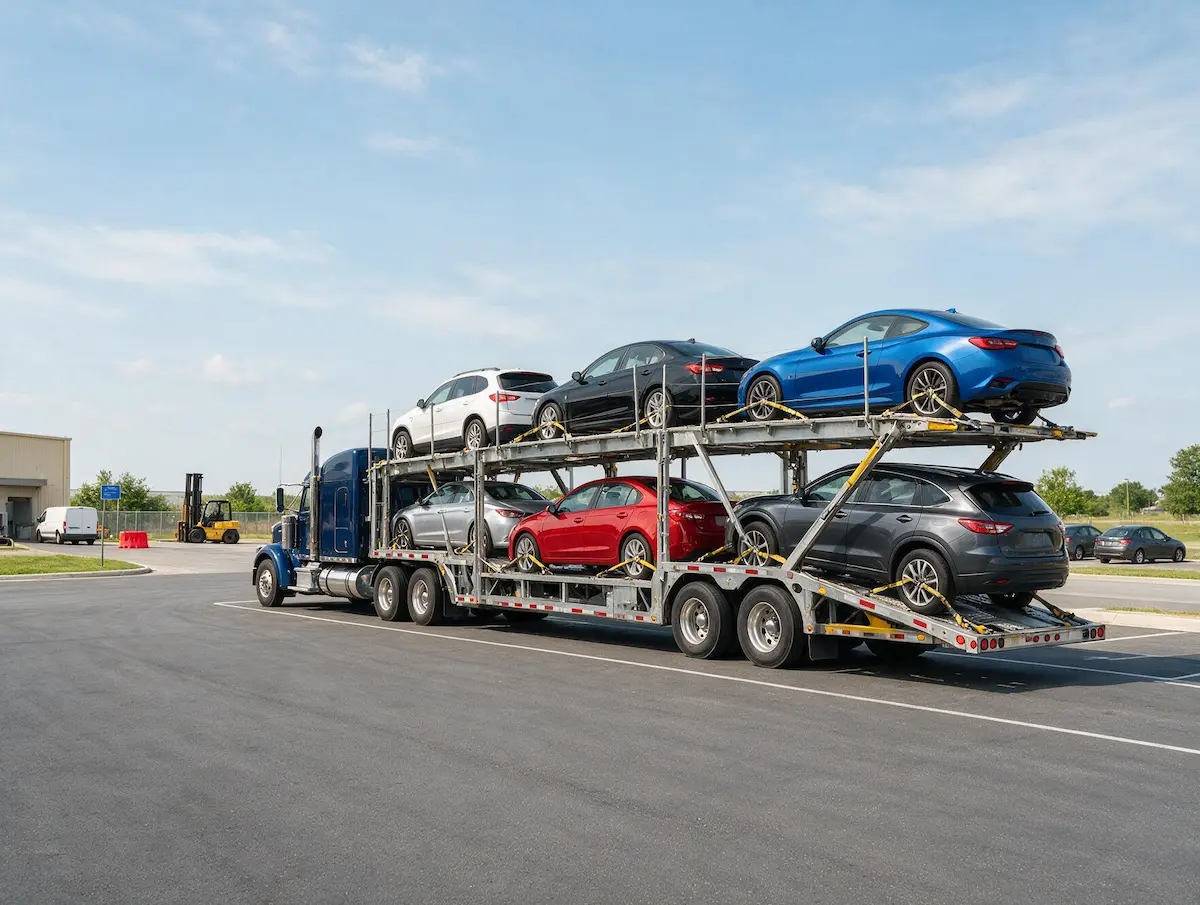
Open vs. Enclosed Transport: Which Is Better for a 1,000-Mile Trip?
Choosing between open and enclosed transport is one of the most important decisions when comparing shipping prices. Both methods move vehicles over long distances, but they offer different levels of protection and availability.
Open Auto Transport
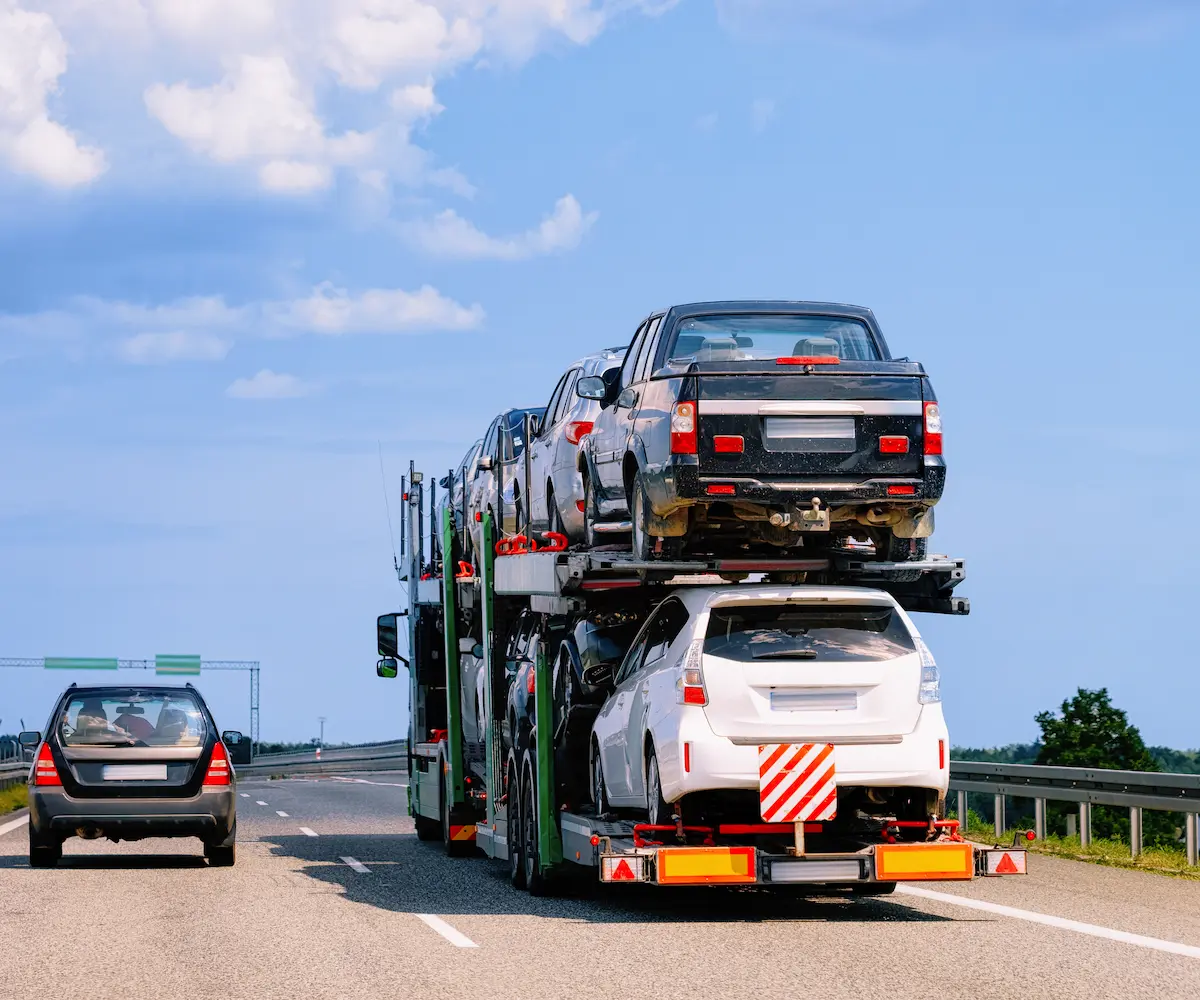
Open auto transport is the most common and usually the most affordable way to ship a vehicle. Your car travels on an uncovered trailer alongside other vehicles, similar to the car haulers used to deliver new vehicles to dealerships.
Open transport works well for most everyday cars, including sedans, hatchbacks, SUVs, and standard pickup trucks. Because these carriers operate on many major routes, customers generally have more shipping options than they would with enclosed transport.
However, vehicles remain exposed to normal weather and road conditions during the journey.
Enclosed Auto Transport
Enclosed auto transport moves your vehicle inside a covered trailer. This reduces exposure to rain, dust, and road debris during transportation.
Enclosed shipping is often chosen for classic cars, luxury vehicles, restored cars, and vehicles that require additional protection. It generally costs more than open transport because enclosed trailers carry fewer vehicles and are less widely available.
For most standard daily drivers, open transport is a practical choice. However, owners of valuable or carefully restored vehicles may prefer enclosed shipping despite the higher cost.
Why Does the Cost Per Mile Change?
Car shipping companies often use prices per mile to explain transport estimates. However, the rate per mile is not fixed across every shipment.
For example, a $1,000 quote for a 1,000-mile shipment works out to $1.00 per mile. A $1,300 quote for the same distance equals $1.30 per mile. These are simple calculations, not actual shipping offers.
In general, shorter shipments cost more per mile than longer ones because carriers must complete many of the same tasks regardless of distance. Loading, securing, inspecting, and unloading a vehicle all require time and equipment. On longer routes, those costs are spread across more miles.
However, longer shipments still tend to cost more overall. Carrier availability, vehicle size, transport type, and route conditions can also change the final rate.
For additional pricing estimates across different distances, visit our car shipping costs guide.
Is It Cheaper to Drive 1,000 Miles or Ship Your Car?
Driving your vehicle may cost less than hiring an auto transport carrier, but fuel is only one part of the expense. You should also consider travel time, accommodation, meals, and the additional mileage placed on your vehicle.
For example, suppose your car averages 30 miles per gallon. Driving 1,000 miles would use approximately 33 gallons of fuel. At an example gas price of $3.50 per gallon, you would spend around $117 on fuel alone.
Your total cost could increase if you need hotel stays, meals, or time away from work. Driving also adds mileage and normal wear to your vehicle.
Shipping may be more convenient if you are already flying to your destination or cannot spend several days driving. However, if you have enough time and do not need overnight accommodation, driving may be the lower-cost option.
Compare both choices using your actual travel expenses and shipping quote before deciding.
How to Reduce the Cost to Ship a Car
There are several practical ways to avoid unnecessary shipping expenses. While no method guarantees a lower price, these steps may give you more options when booking.
Choose Open Transport When Suitable
For most everyday vehicles, open transport is the lower-cost option. Unless your vehicle requires additional protection, there may be no need to pay for enclosed shipping.
Keep Your Pickup Dates Flexible
Providing a wider pickup window gives carriers more opportunities to include your vehicle along an existing route. A strict deadline may limit availability and increase the price.
Provide Accurate Vehicle Information
Make sure the shipping company knows your vehicle’s year, make, model, running condition, and any modifications. Missing information can affect the estimate or the equipment required for pickup.
Discuss Difficult Pickup Locations
Large car haulers may not be able to enter narrow residential streets, gated communities, or areas with limited turning space. If access is difficult, ask whether a nearby parking area could serve as a suitable meeting point.
Compare Complete Shipping Quotes
The lowest advertised estimate is not always the best offer. Review the total price, pickup window, transport type, payment terms, and any possible additional charges before accepting a quote.
What Should You Check Before Booking Car Shipping?
Before choosing an auto transport company, make sure you understand who will arrange and perform the shipment.
An auto transport broker arranges transportation through carriers, while the carrier operates the truck that moves your vehicle. Both interstate auto transport brokers and carriers must meet federal registration requirements.
You can verify registration information through the Federal Motor Carrier Safety Administration.
When reviewing a shipping quote, confirm the transport type, pickup expectations, payment terms, and assigned carrier information. You should also ask about the carrier’s cargo insurance, including the applicable limits, deductibles, and exclusions.
At pickup, the driver should inspect the vehicle and document its condition on the Bill of Lading. Review that record and take photographs before the vehicle is loaded. When the car arrives, inspect it again and compare its condition with the original report before signing.
Frequently Asked Questions
Get a Car Shipping Quote From AutoHaul Direct
The cost to ship a car 1,000 miles depends on the exact route, vehicle, transport type, and pickup schedule. A general estimate is useful for planning, but your final quote should reflect the details of your shipment.
AutoHaul Direct arranges open and enclosed vehicle transportation through licensed and insured carriers across the United States.
Use our car shipping calculator to explore estimated prices. When you’re ready, request a free car shipping quote based on your pickup and delivery locations, vehicle details, and preferred dates.